
Why it matters
Labels and contents do not always match.
A COA is how a brand shows its work. It is issued for a specific batch, identified by a lot number, and ideally comes from a lab that is not the brand’s own.
What a real COA contains
- Lot or batch number — matching the number printed on your bottle.
- Identity testing — confirms each botanical is the species claimed.
- Amounts — what was measured, compared with the label claim.
- Purity results — heavy metals, microbes and common contaminants.
- The lab’s name and the test date — so the results can be traced.
US manufacturing rules already require supplement makers to set specifications for identity, purity, strength and composition, and to test against them.1 A COA is where you get to see the result.
Red flags
- A “COA” with no lot number. That is a template, not a test.
- Testing that is “on file” but never shown to anyone.
- Proprietary blends. If the label hides the doses, there is nothing to check the lab results against.
How to check your own bottle
- Find the lot number on your bottle, usually on the base or near the label edge.
- Ask the brand for the COA that matches that lot. A transparent brand will send it.
- Check that the lot numbers match, that the measured amounts are close to the label, and that the purity tests pass.
Supplements are a trust purchase. A COA turns that trust into something you can read.
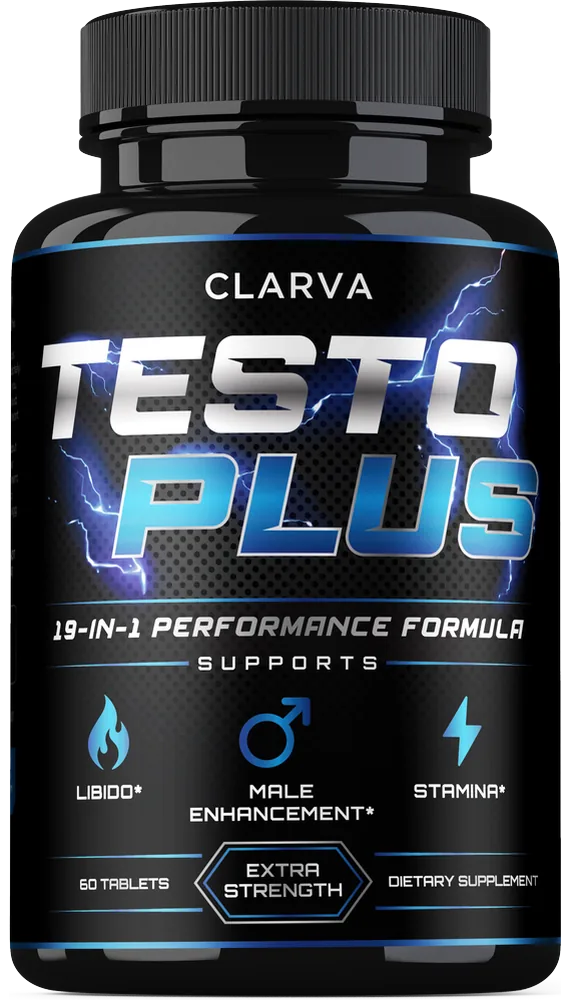
TESTO PLUS
Nineteen ingredients, 2,273 mg per serving, every dose printed on the label. Two tablets a day, no caffeine.*
Quick answers
What is a Certificate of Analysis (COA)?
A lab document for one production batch, showing identity, measured amounts and purity results for that batch.
Can I get the COA for my CLARVA bottle?
Yes, if you are a registered customer. Register your bottle on the registration page, then send us the lot number printed on it and we will email the COA for that batch.
What should I check on a COA?
That the lot number matches your bottle, that measured amounts are close to the label claim, and that the purity tests (heavy metals, microbes) pass.
Sources
- U.S. Code of Federal Regulations, 21 CFR Part 111 — Current good manufacturing practice for dietary supplements (specifications and testing for identity, purity, strength and composition). www.ecfr.gov/current/title-21/chapter-I/subchapter-B/part-111
- Crawford C, Avula B, Lindsey AT, et al. Analysis of select dietary supplement products marketed to support or boost the immune system. JAMA Netw Open. 2022;5(8):e2226040. doi.org/10.1001/jamanetworkopen.2022.26040
Keep reading
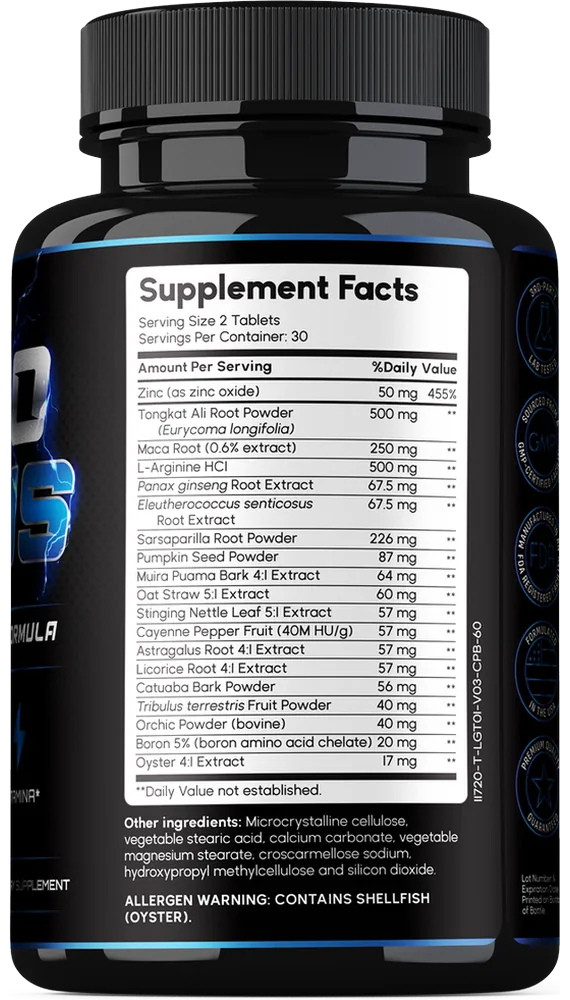 Label literacyWhat 4:1 and 5:1 Actually Mean on a Supplement LabelTESTO PLUSInside TESTO PLUS: 19 Ingredients, 2,273 mg
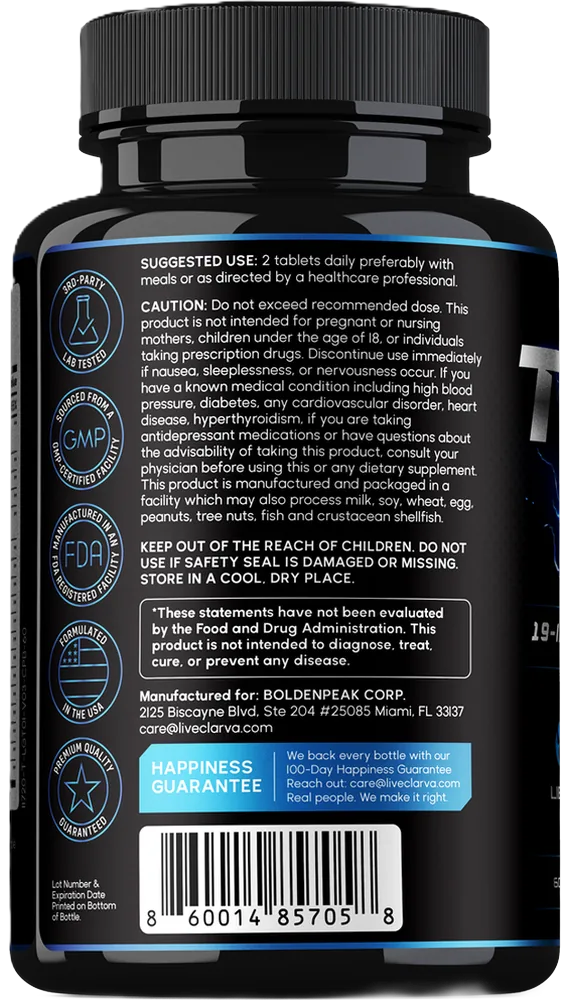 TESTO PLUSTongkat Ali vs. “T-Boosters”: What Men Should Actually Know
The 2022 analysis tested other brands’ immune supplements; no CLARVA product was part of it.
*These statements have not been evaluated by the Food and Drug Administration. This product is not intended to diagnose, treat, cure, or prevent any disease.